

Plzeňský kraj

Plzeňská teplárenská a.s.
Plzeňský kraj

2024-2025
218 000 Kč
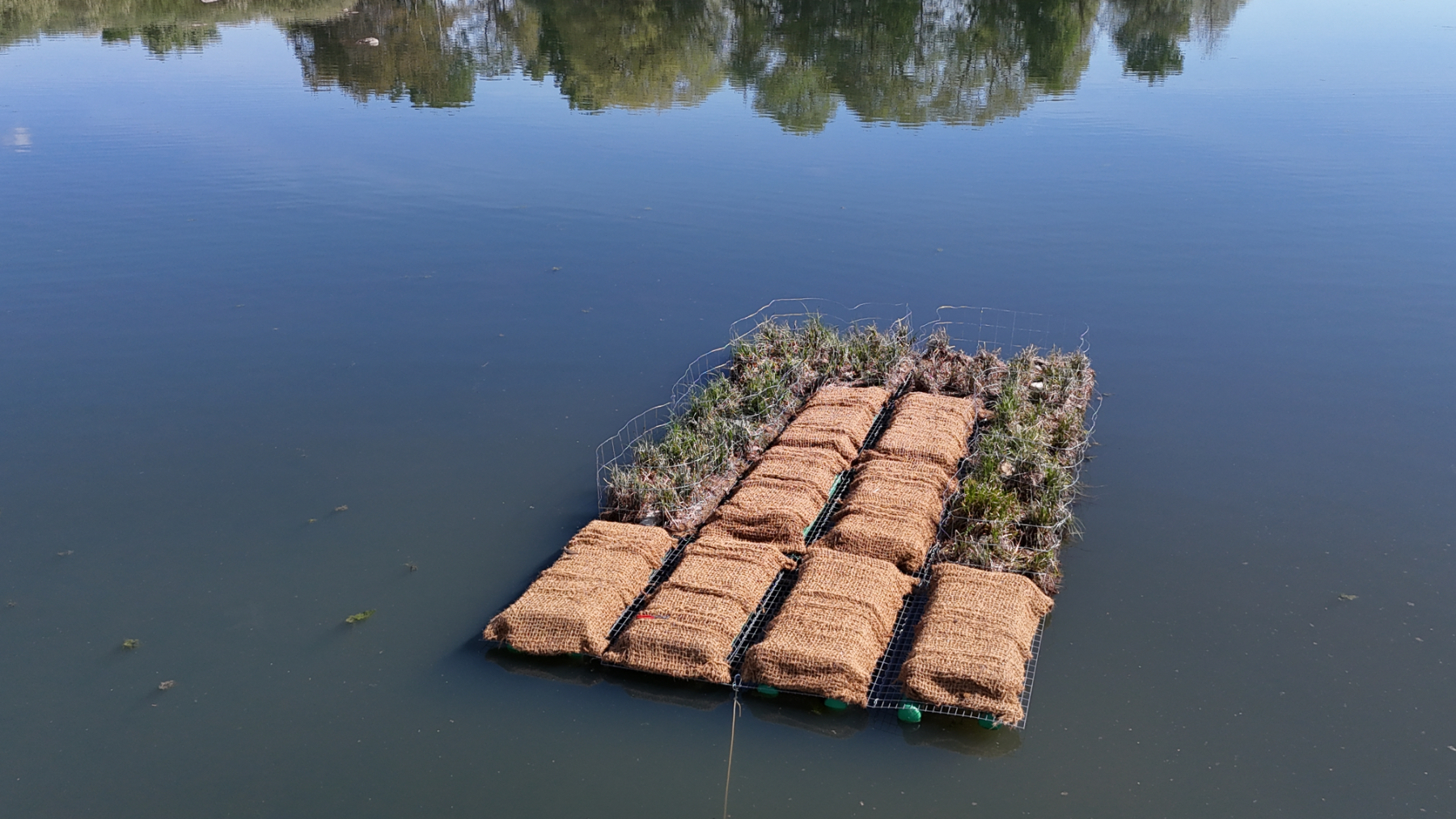
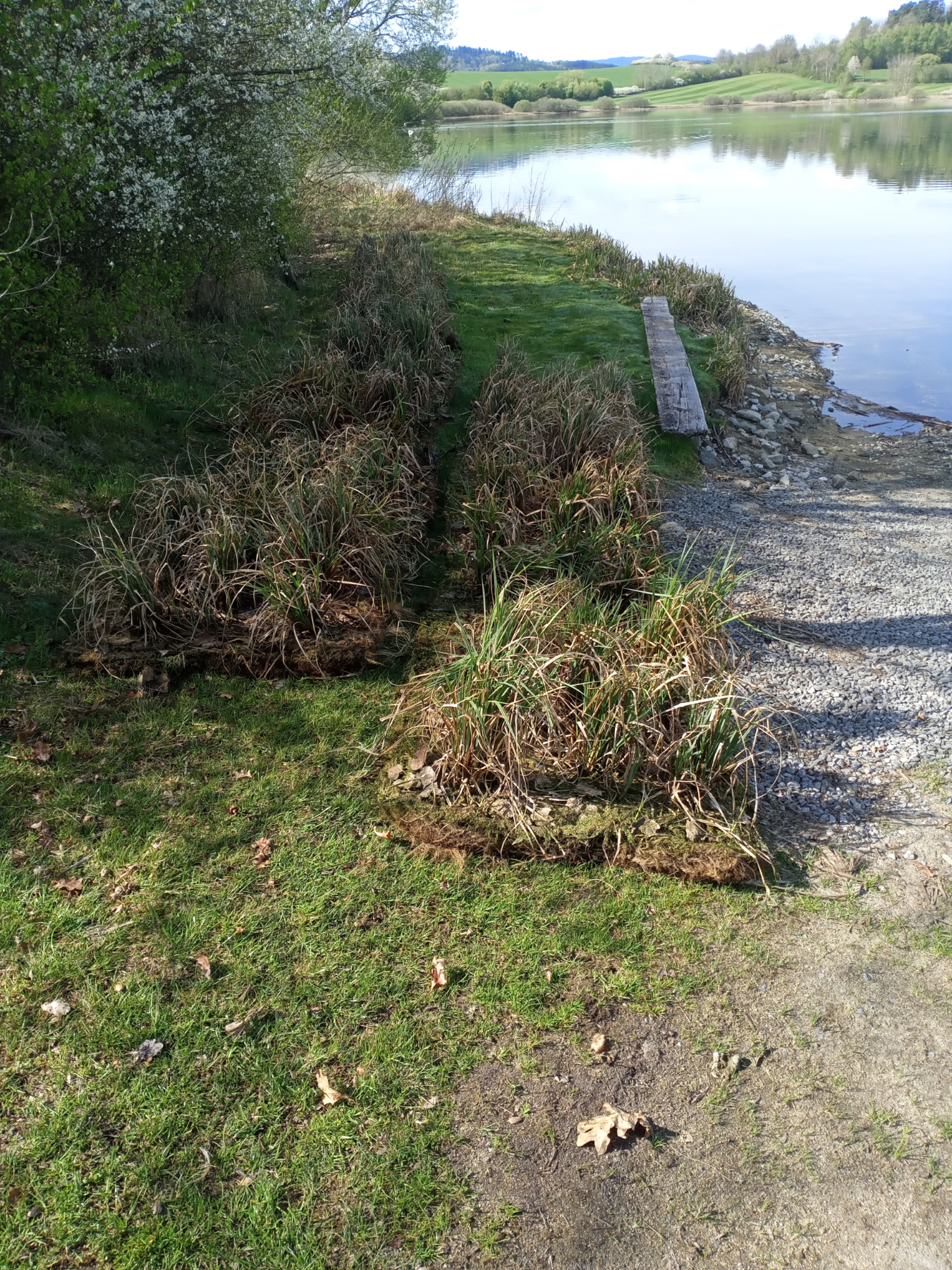
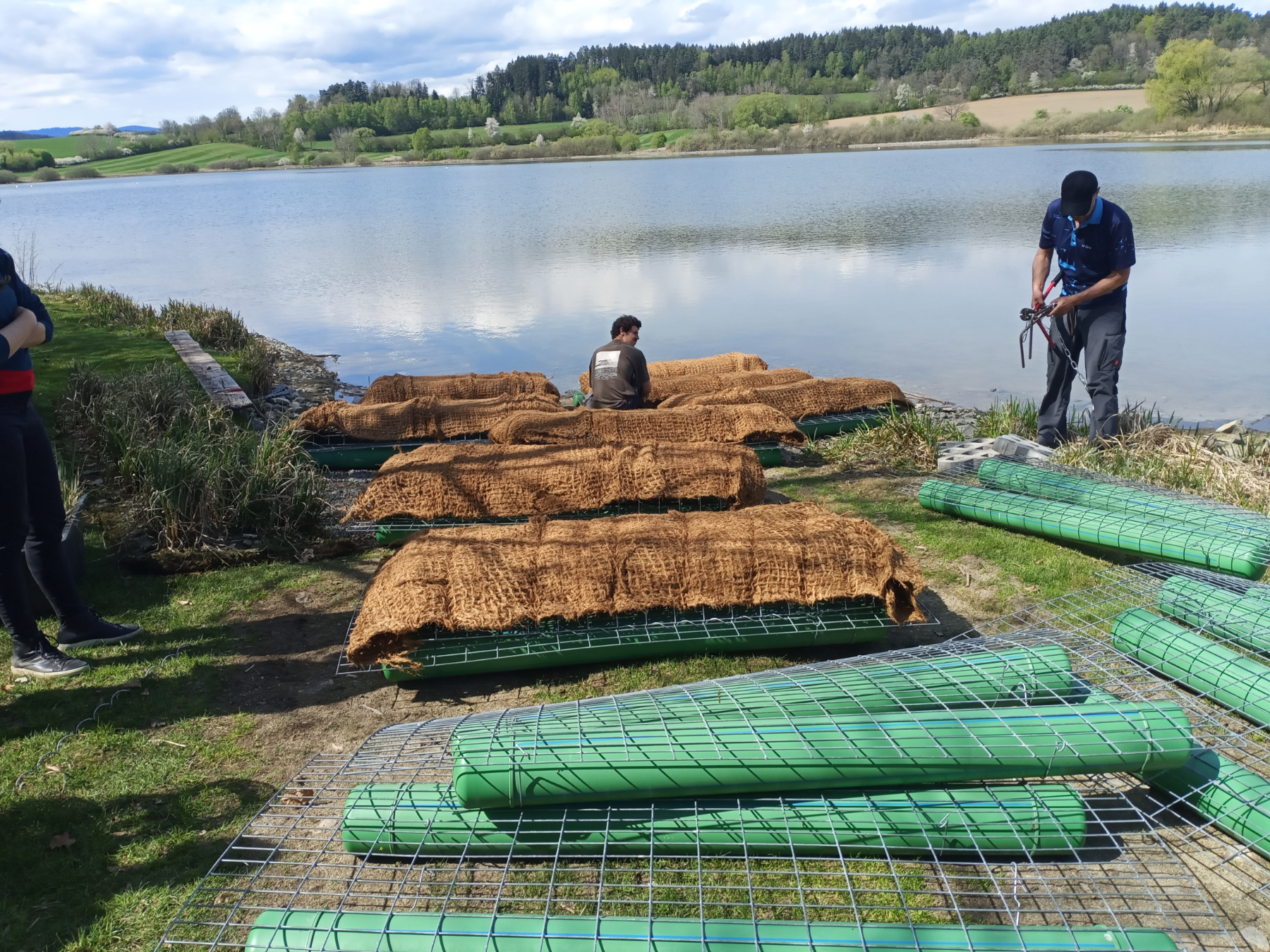
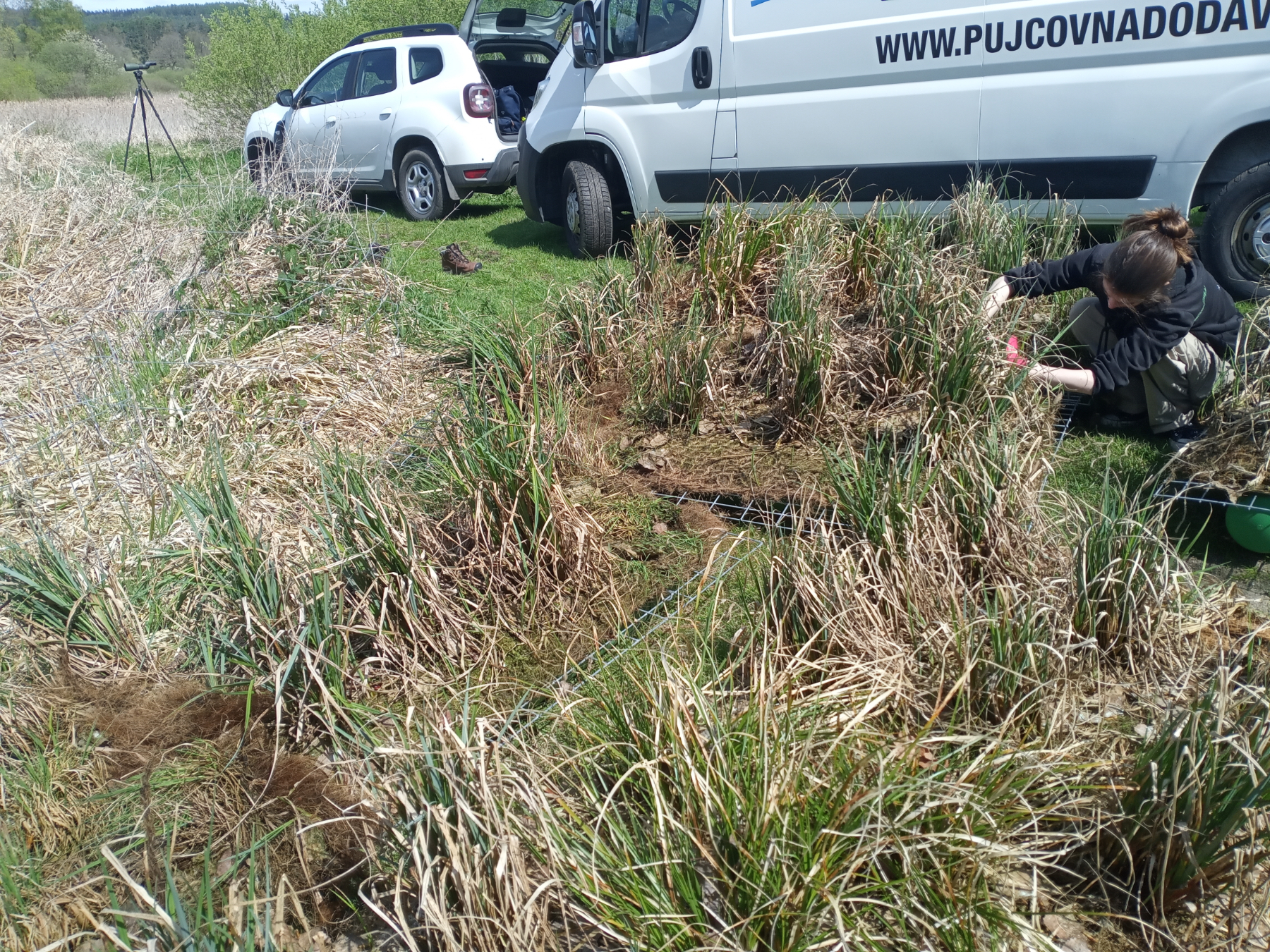
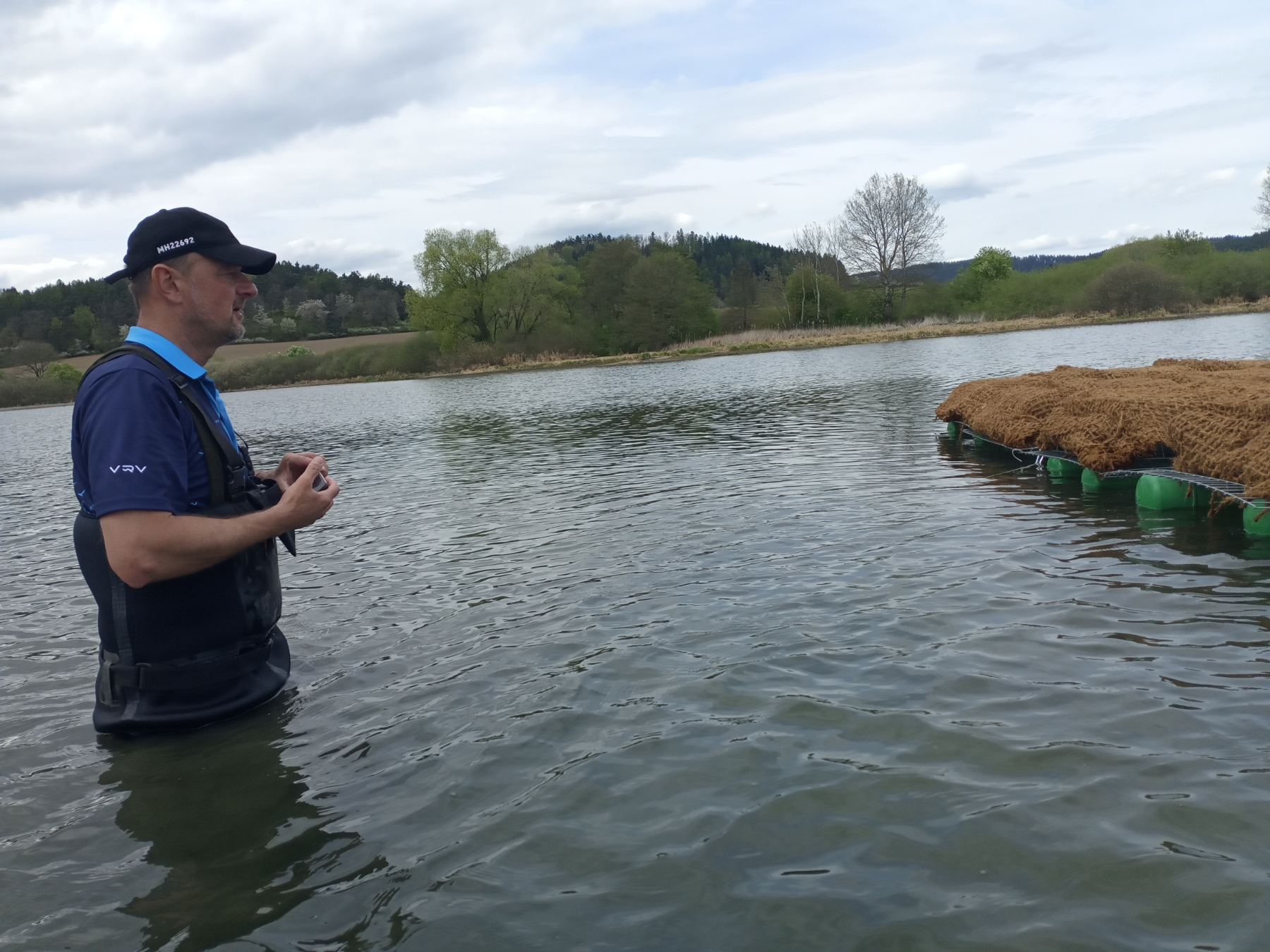
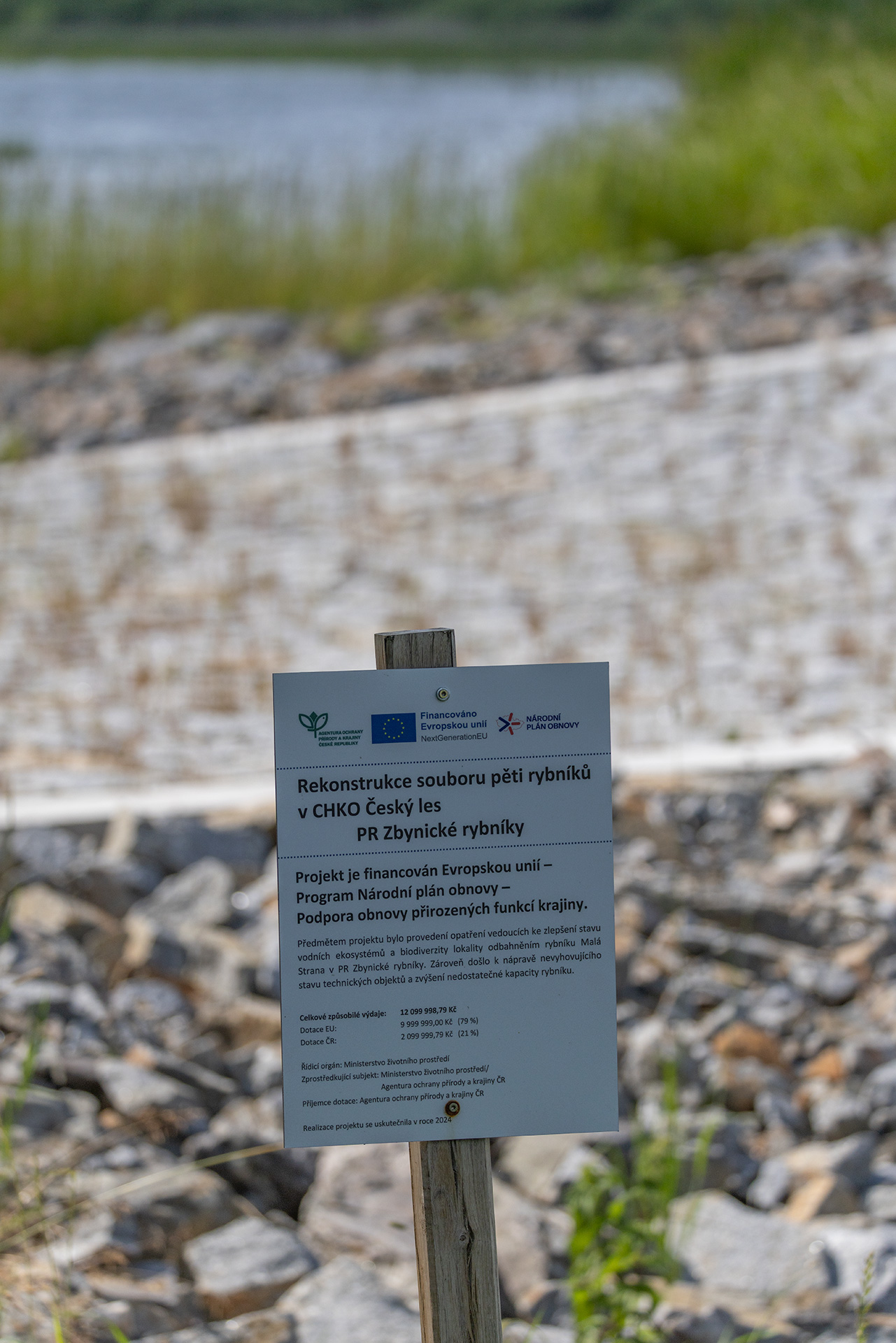
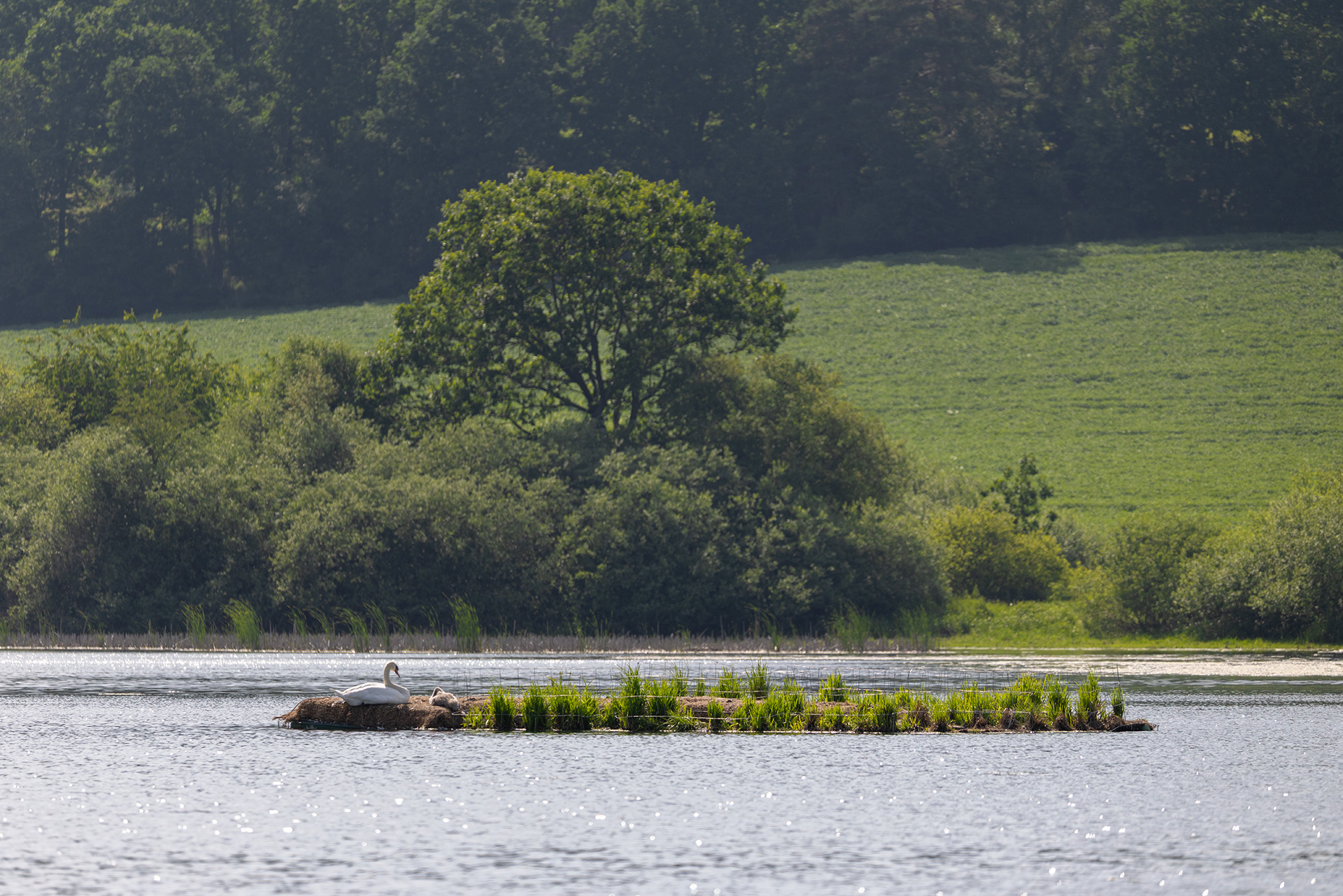
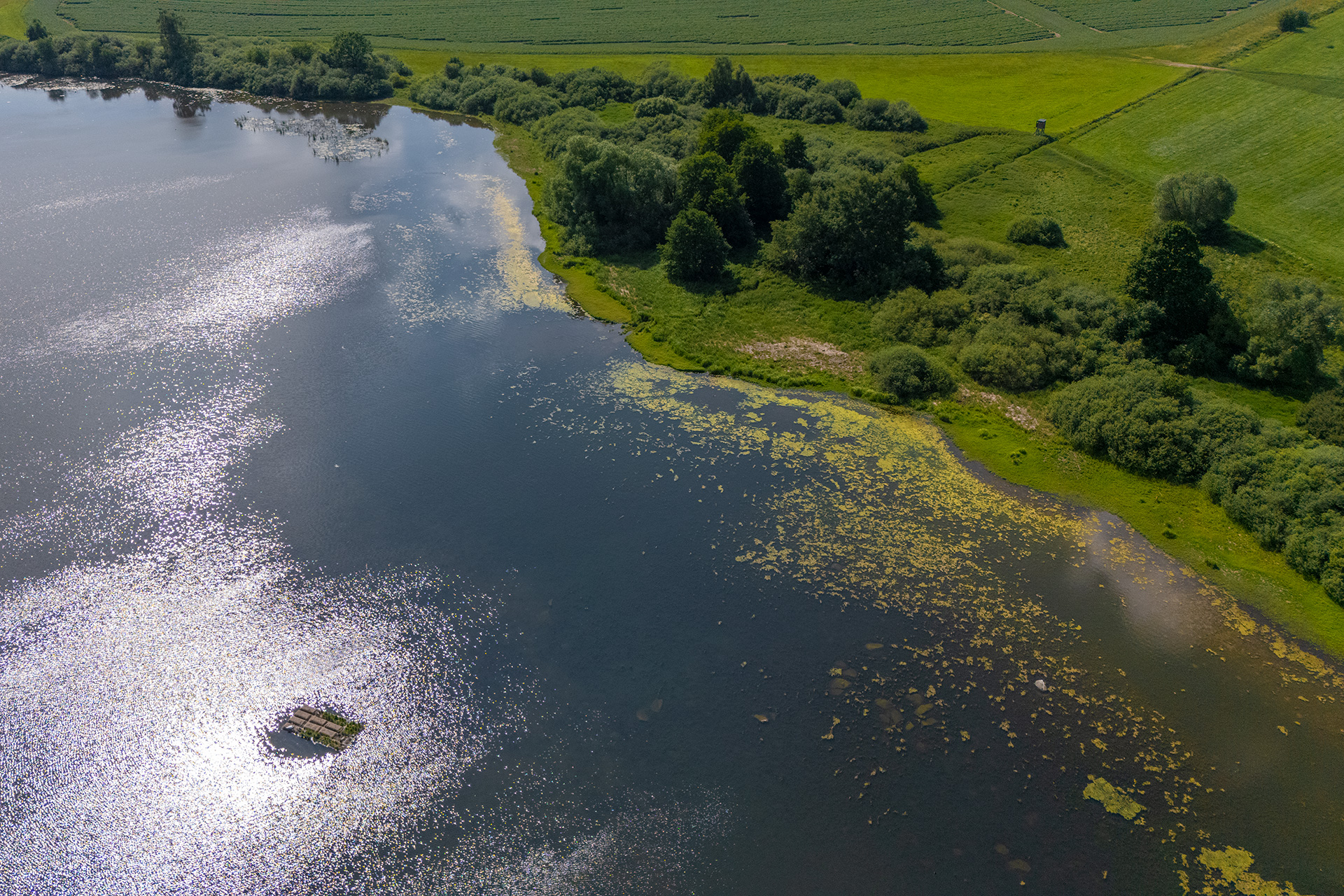
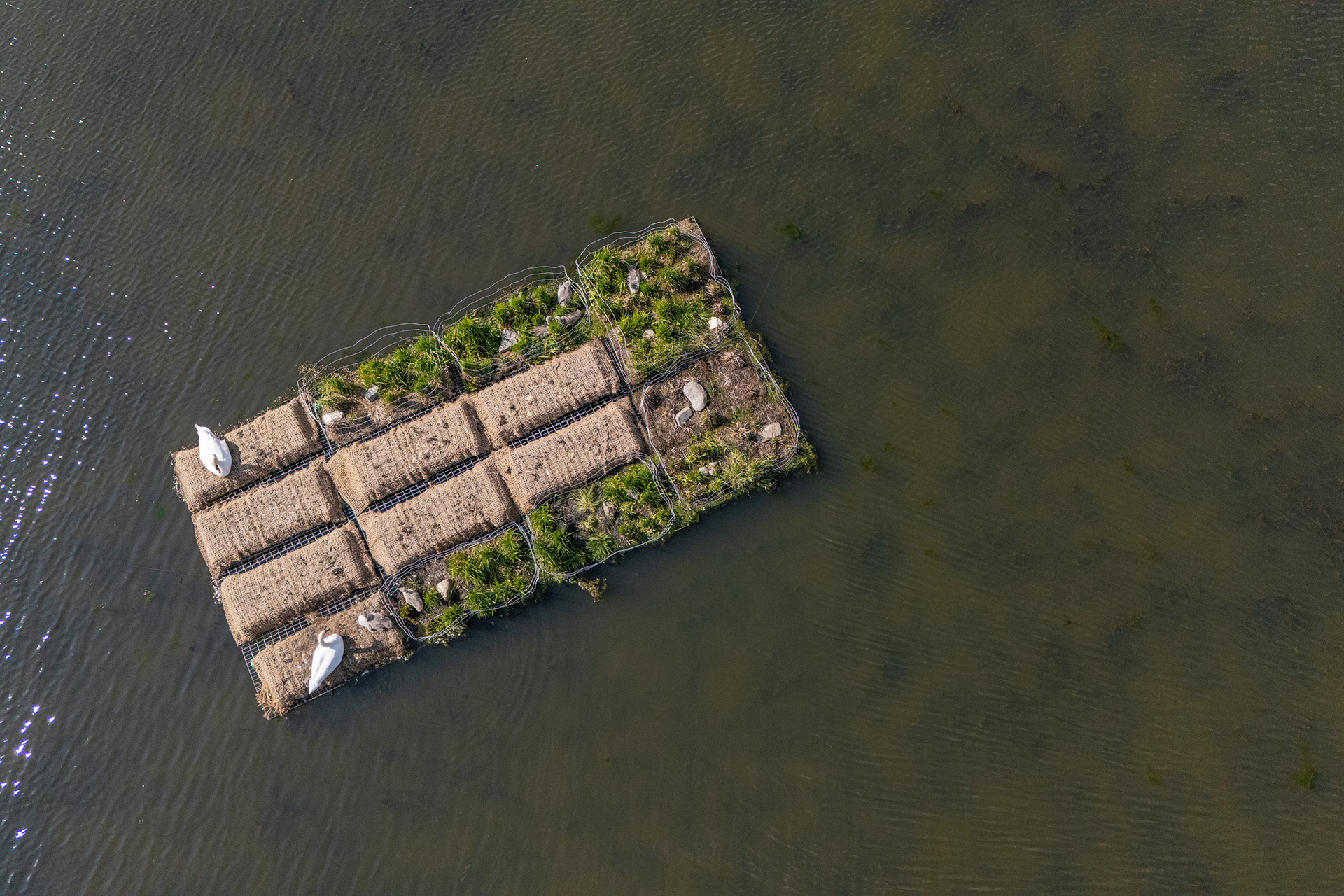
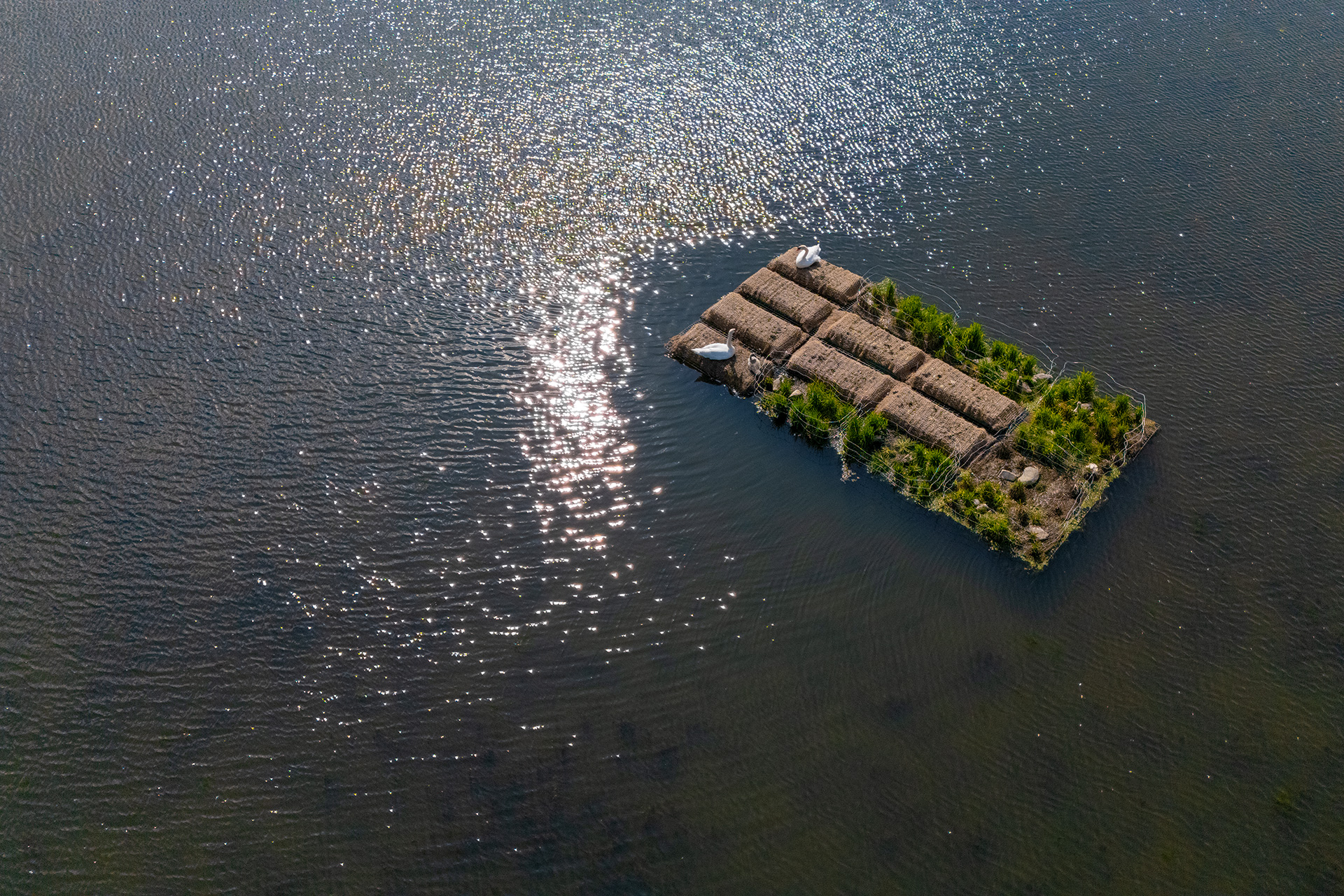
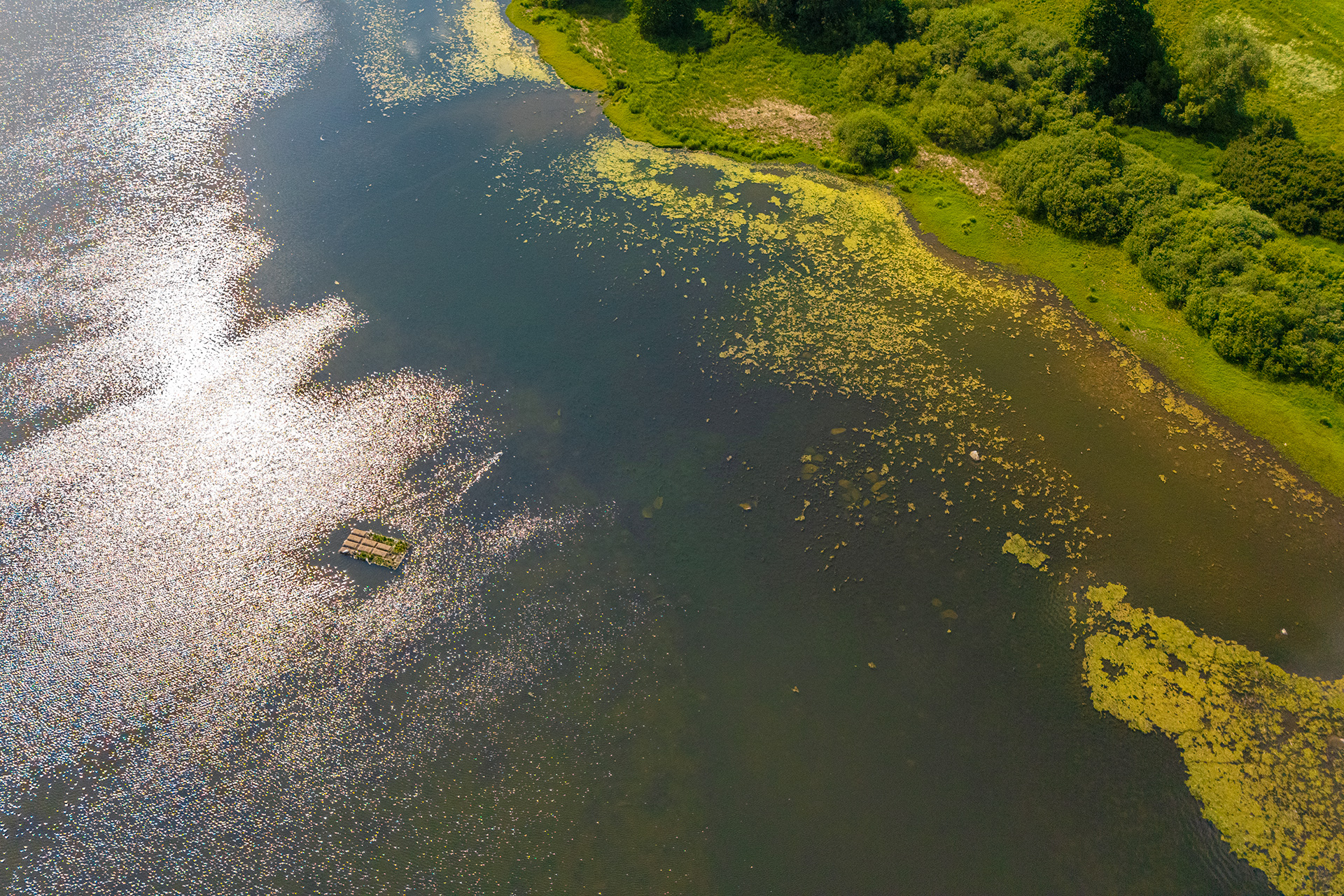
An artificial island for bird nesting is placed in the Zbynické rybníky nature reserve. This reserve is located north of the village of Hrádek in the Klatovy district. The protected area forms the best-preserved part of the pond system with rich riparian vegetation and adjacent humid meadows. It is a system of two ponds. They are called Velká Strana and Malá Strana, and together with adjacent waterlogged meadows they form a protected area of almost 40 hectares. The Velká Strana pond was chosen as a suitable location for the floating island, as it is sufficiently large and lacks a bare shore or a safe nesting site for water birds. The island was planted with sedge just before being placed on the water surface, so that the vegetation would develop faster and birds could nest on the island already this year. The artificial floating island serves as a breeding ground for fish and shelter for fish fry and predators, it helps to retain nutrients, attenuate waves (preventing bank erosion) and of course has great benefits for water birds, for example for their rest throughout the season, including birds resting during long migrations, and will also provide protection from predators. The island should create conditions for the nesting of species that have almost disappeared from our water bodies, such as the black-headed gull, the common tern, and some species of ducks. The condition and occupancy of the island will be systematically monitored all year round, the sustainability also includes evaluating the effectiveness and caring for the island's vegetation. There are only a few similar innovative conservation projects in the Czech Republic so far. In cooperation with our partner Plzeňská teplárenská a.s., we have built the first floating island in the Pilsen Region.
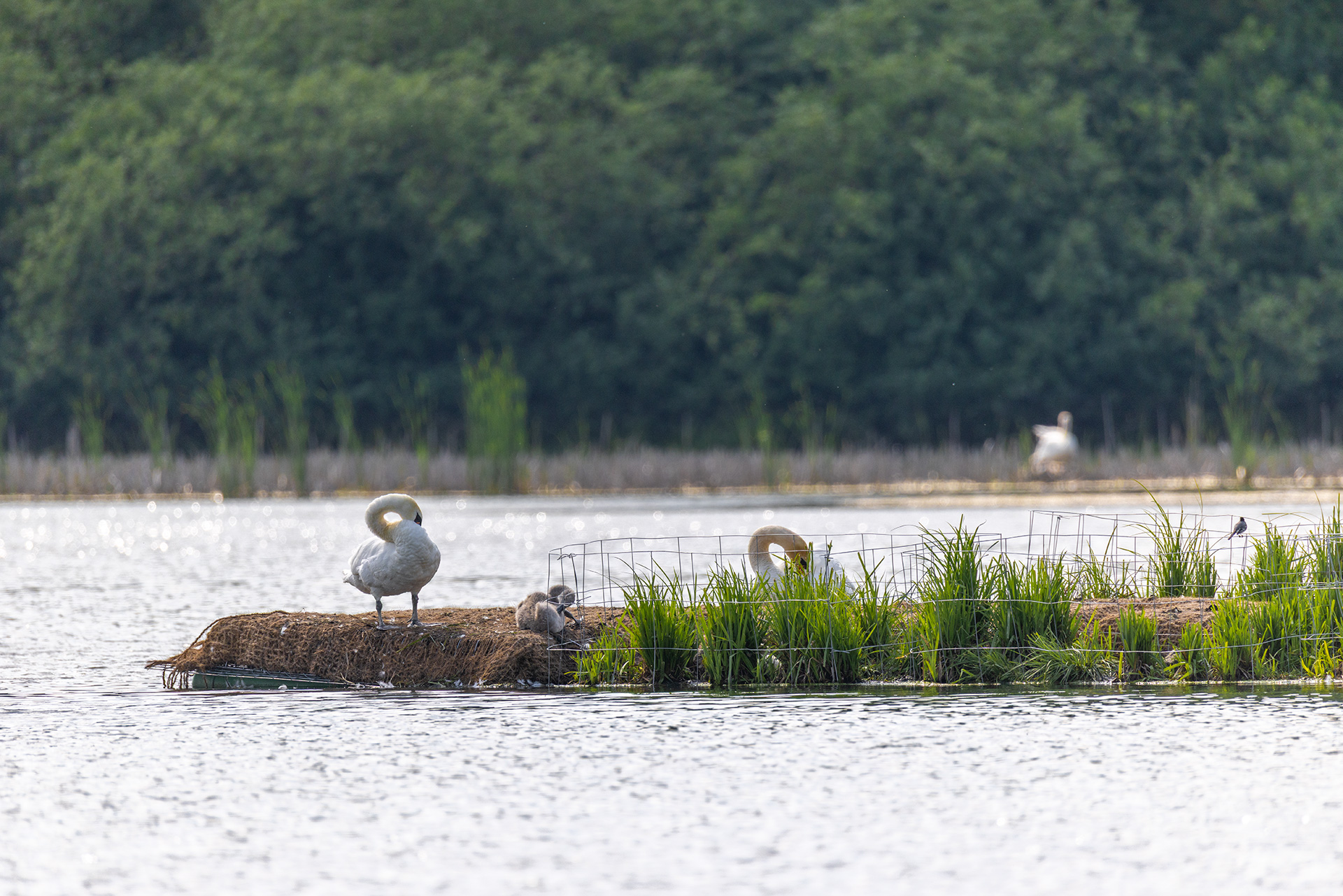
After the first monitoring in the summer of 2025, and identifying rapid settlement of the island by swans, it was concluded that minor adjustments would need to be made to the island. This will further encourage the nesting of other bird species while it will be made less pleasant for swans who can more easily inhabit the riparian vegetation. This will give a chance to less abundant bird species.




Krajský úřad Plzeňského kraje
Odbor životního prostředí
Škroupova 1760/18
301 00 Plzeň
IČO: 70890366


